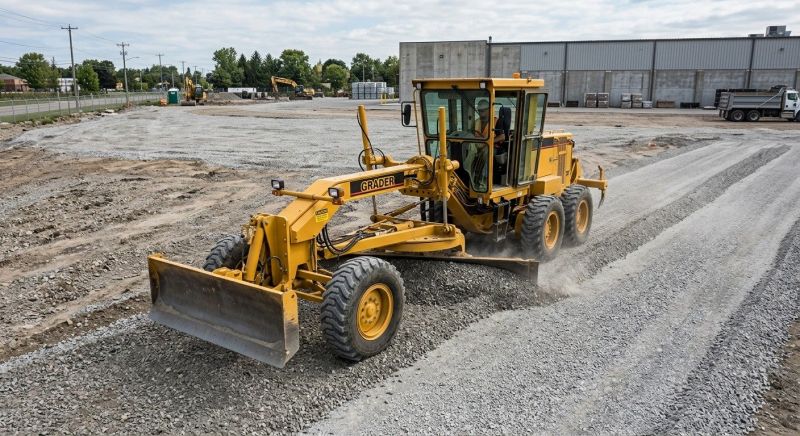
Gravel Parking Lot Grading in Houston, TX
Gravel parking lot grading services involve shaping and leveling the ground to create a stable, well-drained surface suitable for parking and other outdoor uses. This process typically includes removing excess soil, smoothing uneven areas, and establishing proper slopes to ensure water runoff and prevent pooling. Homeowners often request this service for driveways, parking areas, or recreational spaces to improve safety, accessibility, and durability of the gravel surface.
Property owners considering gravel parking lot grading should understand the importance of proper drainage and grading to maintain the longevity of the surface. It’s helpful to assess the current condition of the lot, identify areas prone to erosion or standing water, and determine the desired level of drainage and slope. Clear communication about the project’s scope and the existing terrain can ensure the grading work effectively addresses any issues and creates a stable, functional outdoor space.
Many property owners in Houston, TX look into Gravel Parking Lot Grading for repairs, replacements, upgrades, and appearance-related improvements.
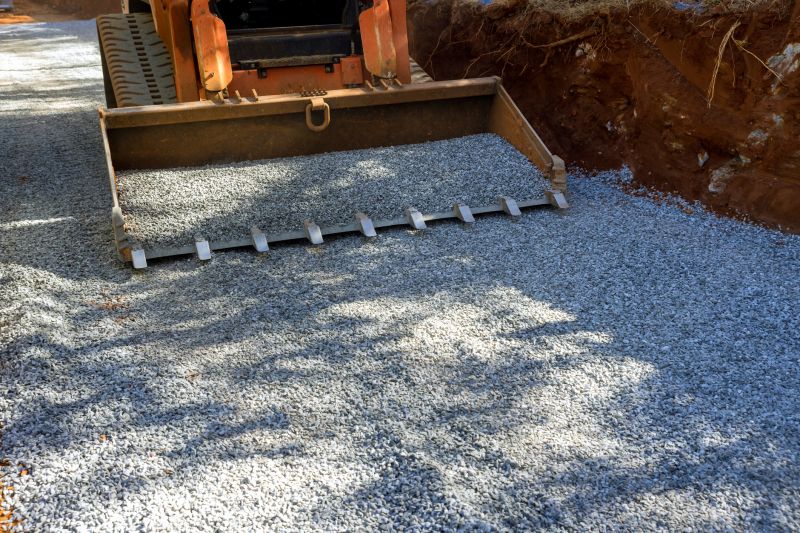
Proper Drainage Solutions
Gravel parking lot grading ensures effective water runoff and reduces pooling on your property.
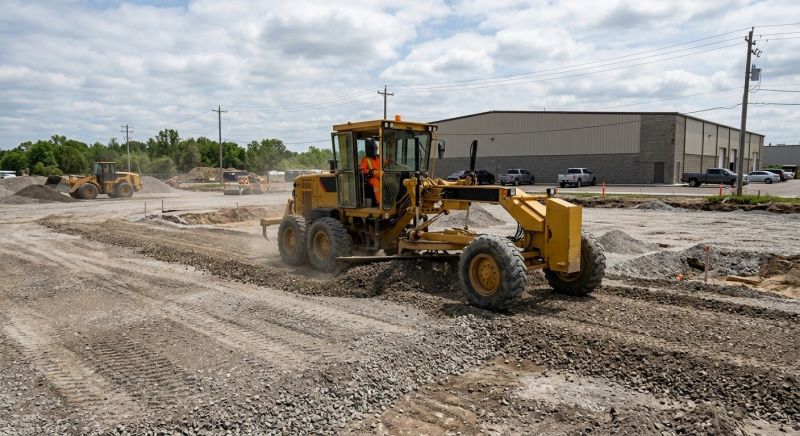
Surface Leveling And Slope Adjustment
Creating a smooth and properly sloped surface helps prevent erosion and maintains parking lot integrity.
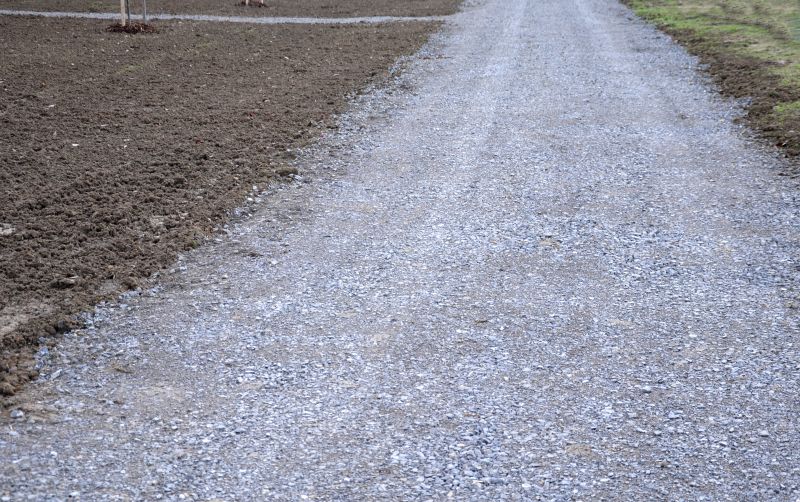
Preparation For Parking Lot Installation
Grading prepares gravel surfaces for better stability and longevity in areas like houston, tx.
Gravel Parking Lot Grading in Houston, TX
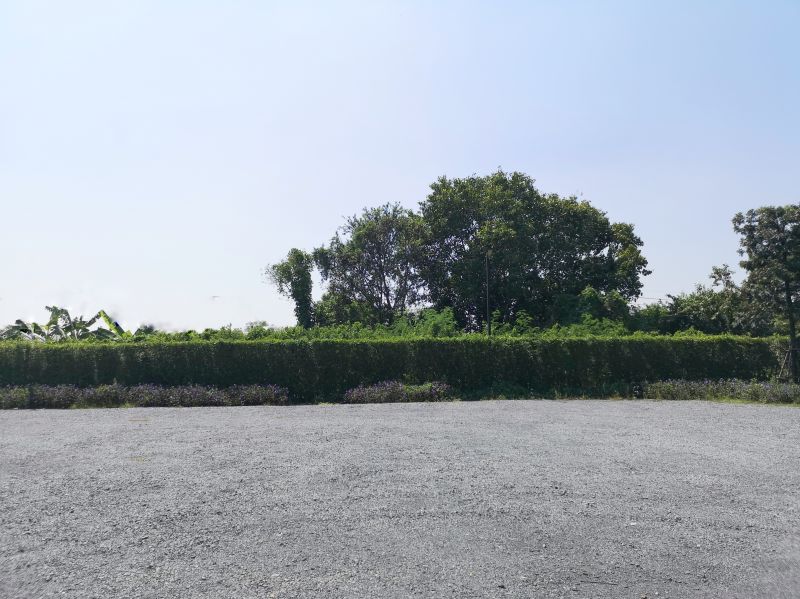
Gravel parking lot grading services involve shaping and leveling the ground to create a stable, well-drained surface suitable for parking and other outdoor uses. This process typically includes removing excess soil, smoothing uneven areas, and establishing proper slopes to ensure water runoff and prevent pooling. Homeowners often request this service for driveways, parking areas, or recreational spaces to improve safety, accessibility, and durability of the gravel surface.
Property owners considering gravel parking lot grading should understand the importance of proper drainage and grading to maintain the longevity of the surface. It’s helpful to assess the current condition of the lot, identify areas prone to erosion or standing water, and determine the desired level of drainage and slope. Clear communication about the project’s scope and the existing terrain can ensure the grading work effectively addresses any issues and creates a stable, functional outdoor space.
Many property owners in Houston, TX look into Gravel Parking Lot Grading for repairs, replacements, upgrades, and appearance-related improvements.
Common Gravel Parking Lot Grading Jobs
Gravel parking lot grading involves leveling and shaping gravel surfaces for proper drainage and stability.
Driveway grading helps ensure smooth access and prevents water pooling around the property.
Yard and landscape grading directs water away from foundations and reduces erosion risks.
Commercial gravel lot grading prepares large areas for safe vehicle access and long-term durability.
Drainage correction improves runoff flow to prevent flooding and standing water issues.
Surface leveling enhances safety and appearance by creating even, stable gravel surfaces.
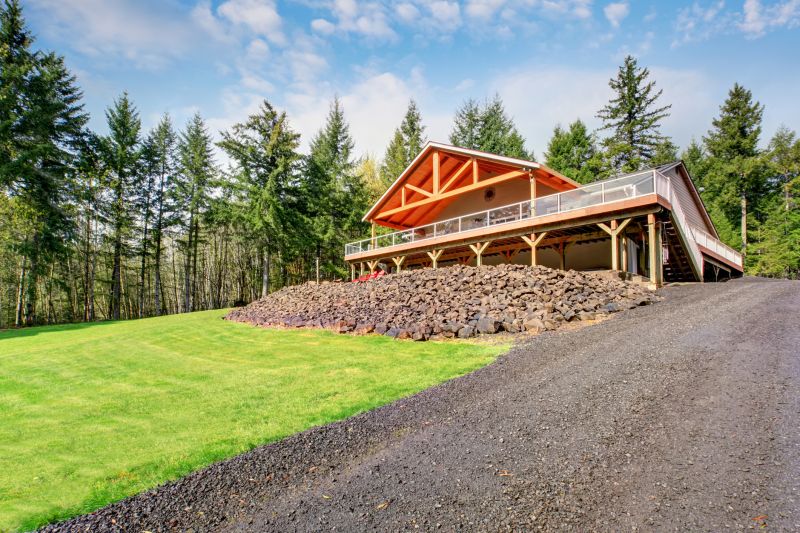
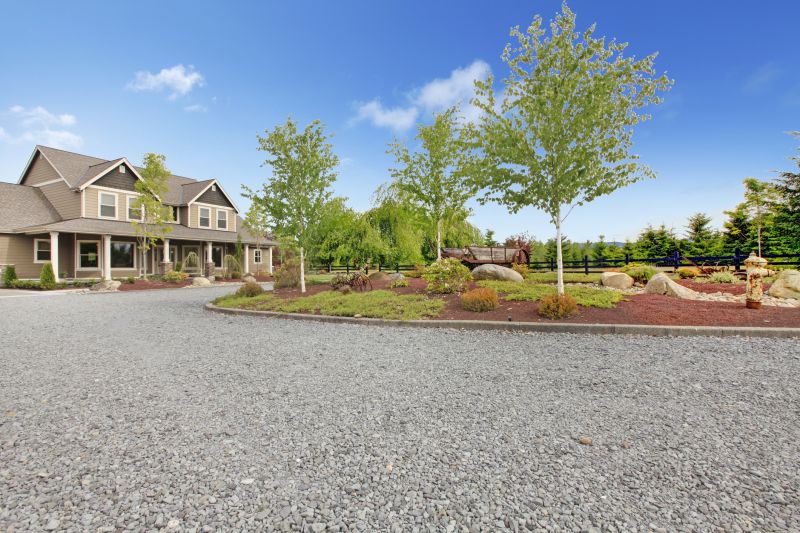
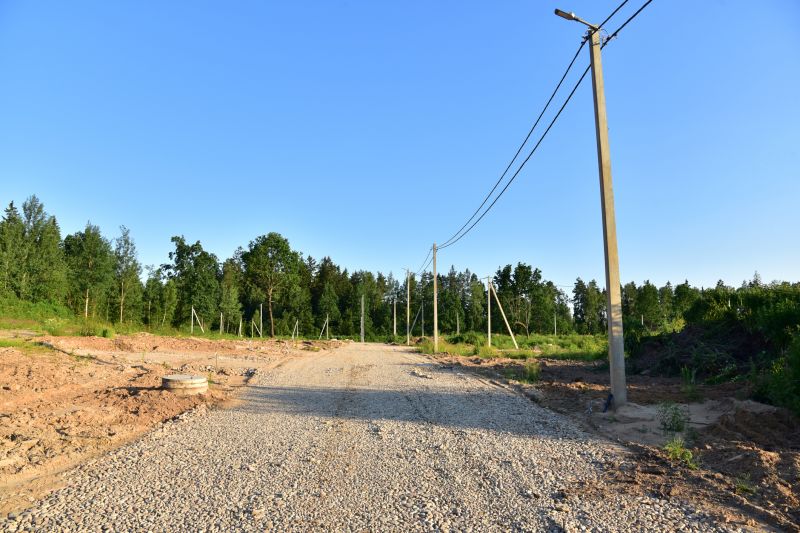
Gravel Parking Lot Grading Questions
What is gravel parking lot grading? It involves leveling and shaping the gravel surface to ensure proper drainage and stability for parking areas.
Why is grading important for gravel lots? Proper grading prevents water pooling and erosion, extending the lifespan of the parking surface.
What types of projects typically require gravel parking lot grading? Projects include new gravel lots, improving existing surfaces, or fixing drainage issues in parking areas.
How does gravel parking lot grading benefit property owners? It creates a safer, more durable parking area that reduces maintenance and water-related problems.
Request Gravel Parking Lot Grading in Houston, TX
Use the quote form on this page to share the basics of your project and request more information for the type of work you need.