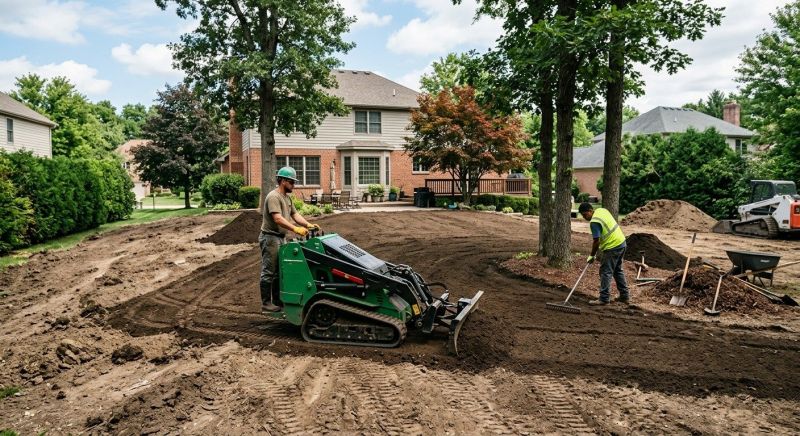
Lawn Leveling in Atlanta, GA
Lawn leveling services involve adjusting the surface of a yard to create a smooth, even terrain. This process is commonly used to address uneven patches, dips, or mounds caused by soil settling, erosion, or poor initial grading. Projects may include leveling large areas of lawn, preparing a yard for new landscaping, or fixing uneven spots that impact drainage and usability. Property owners considering lawn leveling should understand the scope of work needed, the condition of existing soil, and the desired final appearance to ensure the project meets their expectations.
Before requesting lawn leveling services, property owners typically want to know what the process entails, including whether existing grass or plants need to be removed and how long the project might take. It’s also helpful to understand the types of soil and grading techniques used, as well as any necessary follow-up care to maintain a level lawn. Proper assessment and planning can help achieve a stable, even surface that enhances the overall appearance and functionality of the yard.
Many property owners in Atlanta, GA look into Lawn Leveling for repairs, replacements, upgrades, and appearance-related improvements.
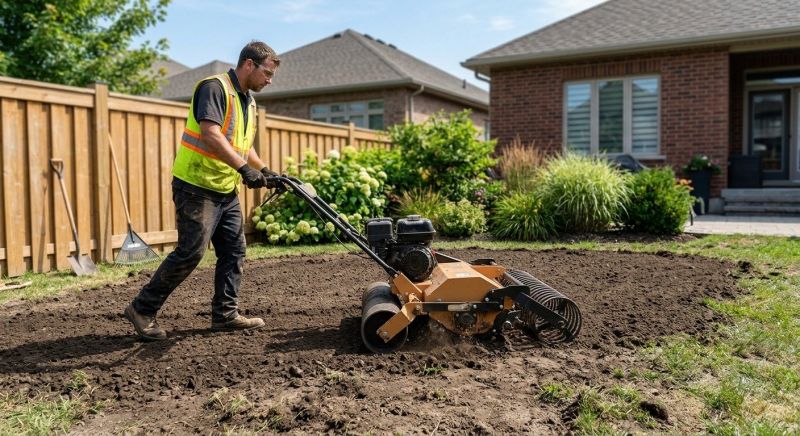
Benefits Of Lawn Leveling
Proper leveling helps improve drainage and enhances the overall appearance of your yard.
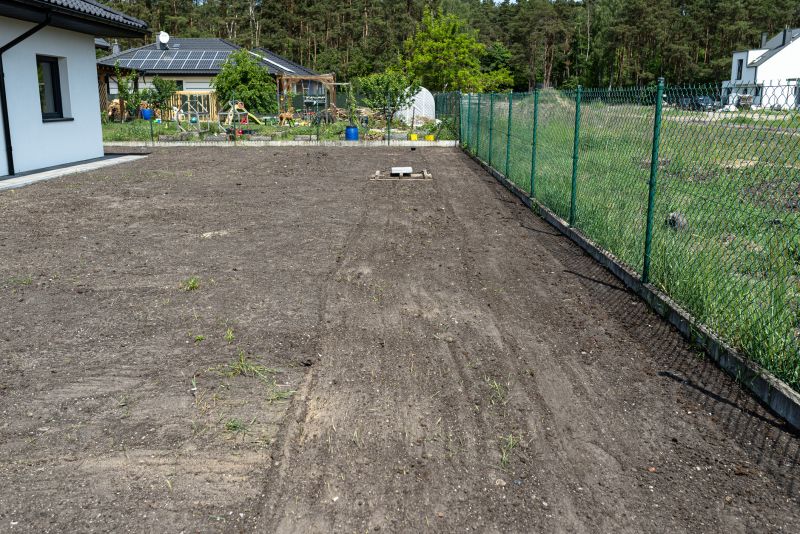
Common Lawn Issues Addressed
Lawn leveling can correct uneven patches caused by settling, erosion, or heavy foot traffic.
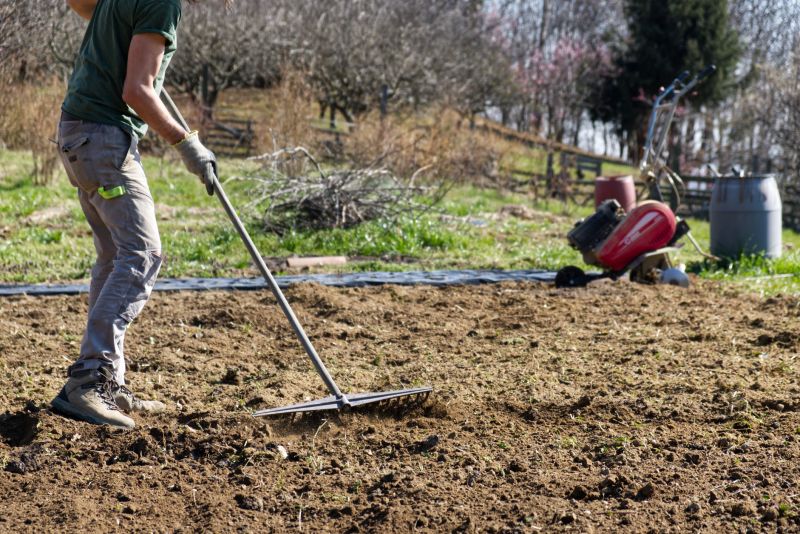
Ideal Conditions For Lawn Leveling
The best time for leveling is during the growing season when the soil is moist and workable in atlanta, ga.
Lawn Leveling in Atlanta, GA
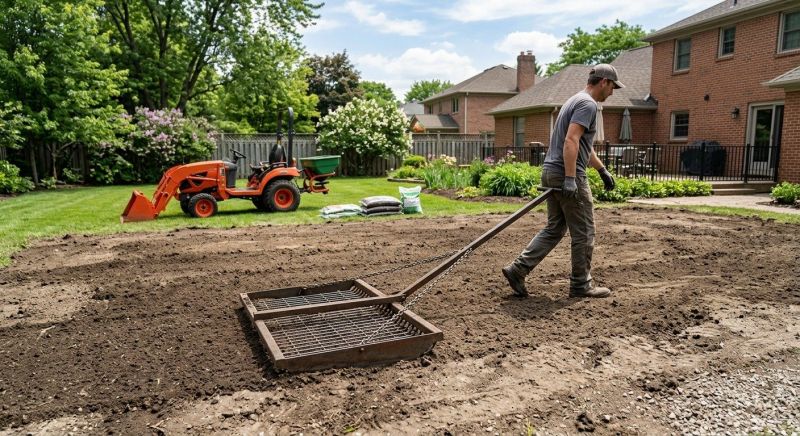
Lawn leveling services involve adjusting the surface of a yard to create a smooth, even terrain. This process is commonly used to address uneven patches, dips, or mounds caused by soil settling, erosion, or poor initial grading. Projects may include leveling large areas of lawn, preparing a yard for new landscaping, or fixing uneven spots that impact drainage and usability. Property owners considering lawn leveling should understand the scope of work needed, the condition of existing soil, and the desired final appearance to ensure the project meets their expectations.
Before requesting lawn leveling services, property owners typically want to know what the process entails, including whether existing grass or plants need to be removed and how long the project might take. It’s also helpful to understand the types of soil and grading techniques used, as well as any necessary follow-up care to maintain a level lawn. Proper assessment and planning can help achieve a stable, even surface that enhances the overall appearance and functionality of the yard.
Many property owners in Atlanta, GA look into Lawn Leveling for repairs, replacements, upgrades, and appearance-related improvements.
Common Lawn Leveling Jobs
Residential lawn leveling - smoothing uneven areas to create a flat, healthy turf surface.
Yard grading services - adjusting soil levels to improve drainage and prevent water pooling.
Landscape leveling - preparing soil for planting, sod, or new lawn installation.
Uneven ground correction - addressing slopes or dips that affect safety and aesthetics.
Soil leveling for construction - preparing the ground for patios, walkways, or other landscape features.
Spot leveling repairs - fixing localized uneven patches to maintain a uniform lawn appearance.
Lawn Leveling Questions
What is lawn leveling? Lawn leveling involves smoothing out uneven areas to create a flat, even surface for better appearance and functionality.
What types of issues can lawn leveling fix? It can address issues like low spots, mounds, and uneven patches caused by soil settling or grading problems.
Is lawn leveling suitable for all grass types? Yes, lawn leveling can be performed on most grass types to improve their overall look and health.
What benefits does lawn leveling provide? It helps improve drainage, prevents water pooling, and creates a more uniform, attractive lawn.
Request Lawn Leveling in Atlanta, GA
Use the quote form on this page to share the basics of your project and request more information for the type of work you need.